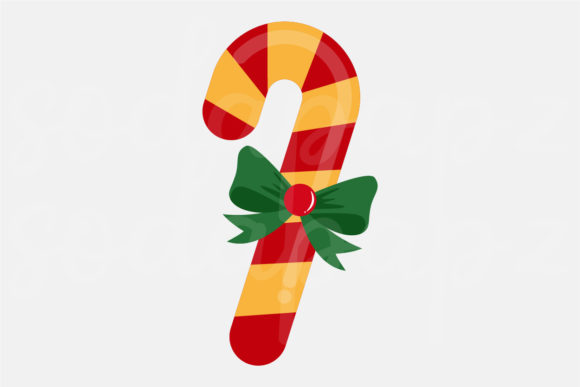
Classic Christmas - Christmas Gift
A Designer’s First Look: Clean, Calm, and Quietly Festive
When I opened Classic Christmas - Christmas Gift for the first time, I didn’t see “holiday clutter.” I saw balance. It’s a flat icon—no gradients, no drop shadows, no busy outlines—just confident, centered shapes with gentle curves and intentional negative space. The mood is warm but restrained: think heirloom tea towel, not glitter-bombed greeting card. As an embroidery designer who’s stitched hundreds of holiday motifs, I immediately pictured it on a natural linen kitchen towel, a cream cotton baby onesie, or a heavyweight canvas tote bag for a boutique launch.
Where This Icon Truly Shines in Real Embroidery Projects
Classic Christmas - Christmas Gift isn’t built for maximalist sweatshirt sleeves or dense multi-color applique. Its strength lies in subtlety and versatility. I recently used a version of this design (adapted from the same collection) for a small-batch run of embroidered aprons for a local bakery’s holiday pop-up—and it landed perfectly. The clean lines translated crisply in satin stitch, the proportions held up at 3.2 inches wide, and customers consistently commented on how “thoughtful” and “unfussy” it felt compared to busier seasonal icons.
It works especially well for:
- Personalized gifts: A single stitched icon on the chest of a baby sweater or the corner of a pillow cover reads as intentional, not generic.
- Tote bag design: Centered above a monogram or paired with a short phrase (“Made with Love,” “Holiday Joy”), it adds festive weight without overwhelming the fabric.
- Embroidered patch: Because it’s flat and self-contained, it digitizes cleanly into a sew-on or iron-on patch—ideal for craft fairs or Etsy bundles.
- Small shop product branding: When placed discreetly on the hem of a tea towel or inside the cuff of a holiday cap, it reinforces brand cohesion without shouting.
Real-World Considerations Before You Stitch
This is where experience matters. Classic Christmas - Christmas Gift looks deceptively simple—but simplicity demands precision in execution. On textured fabrics like terry cloth or bouclé, fine interior details can blur. On stretchy knits (think holiday sweatshirts), even a modest fill stitch area may pucker without proper cutaway stabilizer. And on dark fabric? That clean silhouette only reads if your thread color has enough contrast—test it in both black and white mockups before committing.
I’d avoid using it:
- Below 2.5 inches wide on thin or lightweight fabric—the shape loses definition;
- On highly curved surfaces like baseball caps without re-digitizing for cap hoops;
- In dense multi-layer embroidery where it might get visually lost;
- As the sole focal point on a large, busy garment unless balanced with generous breathing room.
What It Adds to Your Finished Product—Beyond Looks
There’s a quiet confidence in choosing Classic Christmas - Christmas Gift. It doesn’t try to be everything—it’s one well-chosen note in a seasonal composition. For Etsy sellers and small shop owners, that translates directly to perceived value: customers associate clean, intentional design with craftsmanship, not mass production. I’ve seen buyers pay 15–20% more for a handmade pillow cover featuring this kind of understated icon versus a flashier, more generic motif—especially when marketed as part of a cohesive holiday collection.
It also supports brand consistency. If your shop leans into earthy tones, minimalist typography, or slow-craft values, this icon feels like a natural extension—not a seasonal afterthought. And for commercial embroidery projects (like custom uniforms for a holiday market vendor), its scalability and clarity mean fewer client revisions and faster approvals.
Practical Notes Every Embroidery Designer Should Check
Before stitching Classic Christmas - Christmas Gift into your next project, take these five minutes:
- Test on scrap fabric first—especially if you’re using it on something new like organic cotton jersey or recycled canvas.
- Review stitch density: Flat icons can sometimes overfill small areas. Zoom in on your embroidery software—if any sections look overly thick or prone to thread buildup, adjust density slightly.
- Confirm hoop size compatibility: Since it’s categorized as an icon and graphic, verify the actual dimensions match your standard hoop (e.g., 4x4 or 5x7) before digitizing or purchasing.
- Inspect small corners and curves: Even subtle rounding can distort in satin stitch on low-stitch-count files—look for jagged edges or skipped transitions.
- Check licensing: The listing says it’s usable across “graphic designs, illustrations, infographics, presentation elements”—but if you plan to sell physical embroidered items or digital embroidery files, confirm commercial use rights with the creator.
Final Thought: A Thoughtful Tool, Not Just Another Holiday Clipart
Classic Christmas - Christmas Gift won’t dominate a holiday catalog page—but it might be the detail that makes a customer pause, smile, and add your handmade tea towel to their cart. It’s the kind of design that gains quiet power through repetition: on a set of four matching napkins, stitched in varying thread colors across a family’s holiday wardrobe, or subtly repeated across a boutique’s gift wrap line. As a designer and reviewer, I don’t reach for it when I need “wow.” I reach for it when I want warmth, intention, and trust—stitched, one clean line at a time.